October 1, 2024


 Overview
Prof. Prof. DK Prof. Dr. med. Marc Possover, MD, PhD
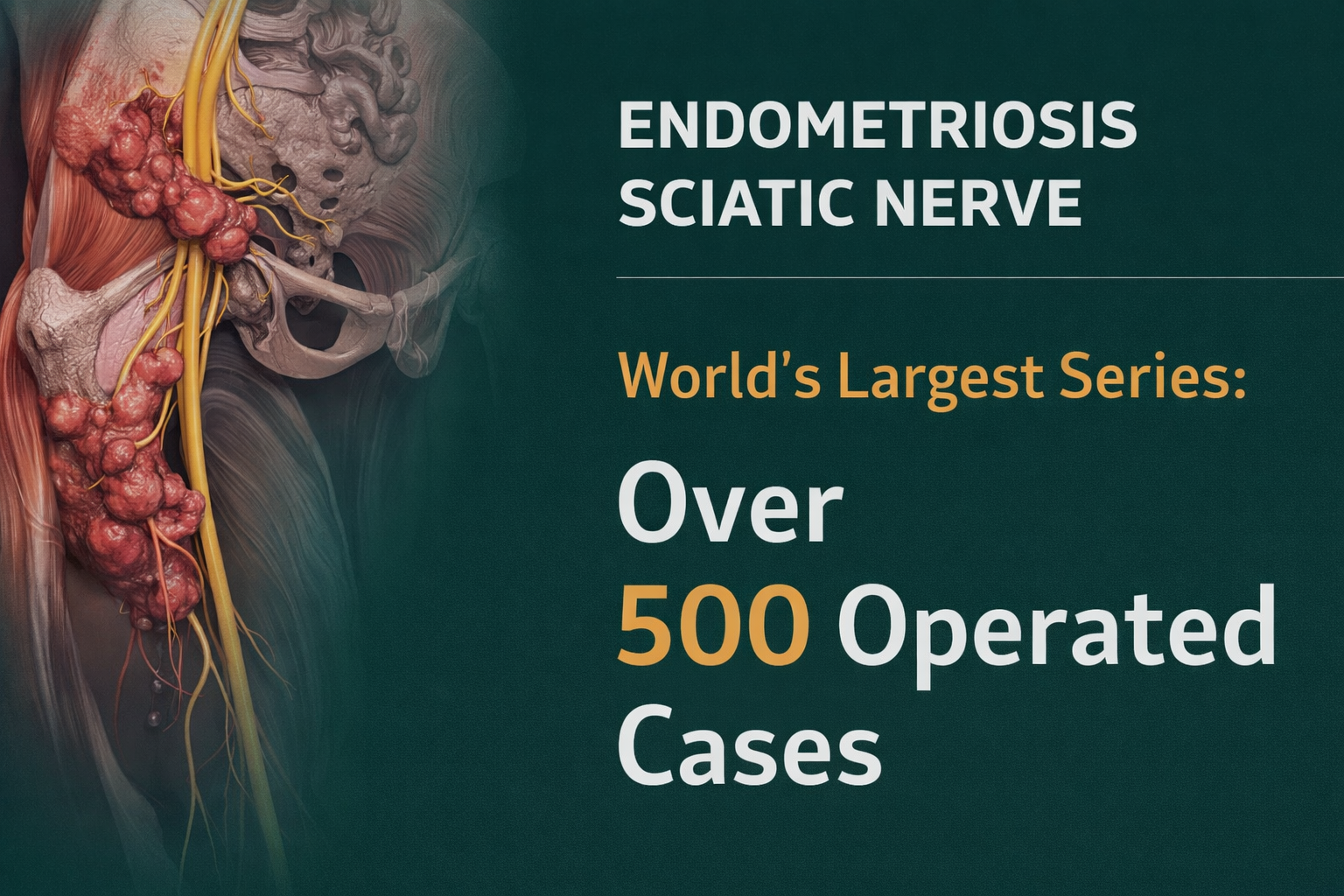
For more than 25 years, neuropelveology has focused on the precise identification and surgical treatment of pelvic nerve pathologies. Anatomical restoration has enabled recovery in patients with complex nerve compression, endometriosis of the sciatic nerve, and severe pelvic neuropathies.
Yet structural correction does not automatically restore physiological neural signaling.
The nervous system operates through electrical communication and dynamic modulation. Persistent pain, autonomic dysregulation, and altered central processing may remain despite successful decompression.
This observation aligns with modern neuroscience: nerve function depends not only on structural integrity but on electrical pattern regulation.¹
Over the past decade, the field of bioelectronic medicine has emerged as a transformative paradigm.²
Rather than relying exclusively on pharmacology or structural surgery, bioelectronic medicine seeks to modulate neural circuits through targeted electrical stimulation.
Key milestones include:
• Vagus nerve stimulation for epilepsy and depression³
• Autonomic modulation for inflammatory disorders⁴
• Neuromodulation in treatment-resistant depression⁵
• Sacral neuromodulation for bladder dysfunction⁶
These developments demonstrate a central principle:
Peripheral nerve modulation can influence systemic physiology.
The autonomic nervous system regulates:
• Bone metabolism⁷
• Cardiovascular tone⁸
• Immune balance⁴
• Mood regulation³
• Neuroinflammatory processes⁹
Emerging evidence suggests that autonomic stimulation may influence:
This expands neuromodulation beyond symptom control toward systemic regulation.
The pelvis represents one of the most densely interconnected autonomic regions of the human body. It integrates:
• Parasympathetic sacral outflow
• Sympathetic hypogastric pathways
• Somatic pudendal circuits
• Central nervous system connections
From a neuropelveological perspective, this anatomical knowledge enables something unique:
Targeted peripheral neuromodulation based on direct nerve identification.
Traditional sacral neuromodulation stimulates nerve roots indirectly.⁶
An anatomically informed approach allows selective modulation of specific peripheral neural circuits.
This represents a conceptual shift from indirect approximation to precision neuromodulation.
Neuropelveology established the anatomical framework.
Pelvic neuromodulation represents its functional evolution.
Surgery restores anatomy.
Neuromodulation influences neural signaling patterns.
Together, they form a continuum.
Advances in closed-loop neuromodulation and bioelectronic interfaces suggest that future therapeutic systems may dynamically interact with neural circuits in real time.¹⁰
The pelvic autonomic network may become:
• A therapeutic gateway for systemic autonomic modulation
• A platform for precision bioelectronic interventions
• A bridge between peripheral nerve science and systemic medicine
The transition from structural correction to neurofunctional regulation is not speculative.
It is already underway.
Neuropelveology was the first step: understanding the nerves.
Targeted pelvic neuromodulation is the next: modulating their function.
REFERENCES
— Prof. Marc Possover
Founder of Neuropelveology
We’re Here to Help
Possover International Medical Center – Zurich
☎️ +41 44 520 3600
📍 Klausstrasse 4, CH-8002 Zürich
🌐 www.possover.com
📧 mail@possover.com
Let us help you find the cause of your pain - and finally start your journey toward healing.
If you or someone you know is struggling with chronic pelvic pain, pelvic nerve disorders, endometriosis, or consequences of pelvic surgery, please contact us via email at international@possover.com to begin the process. Because we want to avoid the scenario where a patient travels to Zurich, only to discover that we may not be able to offer help for their specific situation, we have Pre-Consultation Zoom process. How does it work?
Prof. Prof. DK Prof. Dr. med. Marc Possover, MD, PhD
...Prof. Prof. DK Prof. Dr. med. Marc Possover, MD, PhD
...Prof. Prof. DK Prof. Dr. med. Marc Possover, MD, PhD
...Prof. Prof. DK Prof. Dr. med. Marc Possover, MD, PhD
...Klausstrasse 4
CH - 8008 Zürich
Switzerland
E-Mail: mail@possover.com
Tel.: +41 44 520 36 00